Ich hätte beinahe wieder einen Modellvergleich geschrieben. Ich hatte den Tab offen — Opus 4.8 links, GPT-5.5 rechts, das Benchmark-Diagramm gescreenshottet, die „Welches gewinnt"-Überschrift halb getippt. Dann ertappte ich mich dabei, genau das zu tun, wovon ich anderen ständig abrate.
Ich behandelte das Modell, als wäre es das Produkt.
Ist es aber nicht. Nicht mehr. Irgendwann in den letzten sechs Wochen — zwischen der Veröffentlichung von Claude Opus 4.8 am 28. Mai und OpenAIs stiller Aktivierung der Windows-Computersteuerung für Codex am Tag darauf — hat sich der Schwerpunkt verschoben. Das smarteste Modell ist nicht mehr das Wichtigste. Was jetzt zählt, ist, ob du agent native bist: ob du deine Arbeitsweise rund um Agents reorganisiert hast, oder ob du immer noch in ein Chatfenster tippst und hoffst, dass das nächste Punkt-Release dich rettet.
Das ist der Wandel, den ich besprechen will. Nicht „welches Modell ist das beste" — ich gebe dir meine ehrliche Einschätzung zu Opus 4.8 versus GPT-5.5, denn die Zahlen sind wirklich interessant und eine davon überrascht dich wahrscheinlich. Aber der Modellkampf ist die kleine Geschichte. Die große Geschichte ist, dass die Applikationsschicht gerade wichtiger als die Modellschicht geworden ist, und die meisten Entwickler haben es noch nicht bemerkt. Am Ende hast du eine klare Antwort auf eine Frage, von der du nicht wusstest, dass du sie stellen solltest: Produziere ich mit diesen Agents, oder werde ich von ihnen konsumiert?
Lass mich dir zeigen, was ich meine, angefangen mit dem Modell, über das niemand schlaflose Nächte haben sollte.
Das Opus 4.8-Release, das sich wie ein iPhone-Update anfühlte
Hier kommt ein Geständnis, das mich bei den Anthropic-Fans in Schwierigkeiten bringt: Ich habe Claude Opus 4.8 zwei Tage lang Seite an Seite mit Opus 4.7 auf echtem Kundencode laufen lassen, und ich konnte sie kaum auseinanderhalten.
Nicht im schlechten Sinne. Im Sinne eines ausgereiften Produkts. Du weißt, wie ein neues iPhone kommt und die Kamera ist technisch besser und der Chip ist technisch schneller, und nach einer Woche kannst du dich ehrlich nicht mehr erinnern, welches du in der Hand hältst? Das ist Opus 4.8. Anthropic hat es am 28. Mai 2026 als Punkt-Release auf 4.7 veröffentlicht, das gleiche 1M-Token-Kontextfenster und die gleiche Preisstruktur von $5/$25 pro Million Token beibehalten und den schnellen Modus etwa 3x günstiger gemacht. Das Hauptfeature in ihrer eigenen Darstellung ist Ehrlichkeit — das Modell ist laut der 244-seitigen Systemkarte etwa viermal seltener als 4.7 geneigt, einen Fehler im eigenen Code unkommentiert durchgehen zu lassen.
Diese Ehrlichkeit ist real, und ich liebe sie. Ich habe beobachtet, wie Opus 4.8 mitten in einer Aufgabe stoppt und mir sagt: „Ich bin nicht sicher, dass das den Concurrency-Fall korrekt behandelt, du solltest es prüfen", anstatt den Sieg zu erklären und das Feld zu räumen. Wenn du meinen Deep Dive zu den Opus 4.8 Effort Levels gelesen hast, weißt du bereits, dass das das am meisten unterschätzte Merkmal dieses Releases ist.
Aber im Alltag? Der Unterschied zu 4.7 ist gering. Stunden des direkten Vergleichs, und das ehrliche Urteil ist: Dies ist eine inkrementelle Verfeinerung eines bereits exzellenten Modells, kein Sprung. Und das ist in Ordnung. So sieht eine gesunde Produktlinie aus. Die Ära, in der jedes Modell-Release deinen gesamten Workflow umkrempelt, geht zu Ende. Wir betreten die langweilig-gute Phase, in der das Modell ein zuverlässiges Werkzeug ist und die interessante Arbeit woanders stattfindet.
Was mich zum Benchmark bringt, über den alle streiten — und die eine Stelle, an der Opus 4.8 tatsächlich verliert.
Wo Opus 4.8 gewinnt, und der eine Benchmark, den es gegen GPT-5.5 verliert
Lass mich dir die echten Zahlen geben, denn das Video, das diesen ganzen Beitrag ausgelöst hat, hatte sie richtig, und die Nuance ist wichtig.
Bei SWE-Bench Pro — dem Benchmark, der das Lösen echter GitHub-Issues über eine vollständige Codebase misst — erzielt Opus 4.8 69,2 %, gegenüber 64,3 % bei 4.7. GPT-5.5 steht bei 58,6 %. Das ist kein Rundungsfehler. Bei der Art von Multi-File-Arbeit, „geh diesen Bug in unserem echten Repo fixen", die meine Rechnungen bezahlt, liegt Opus klar vorne.
Dann kommt Terminal-Bench 2.1 — agentisches Terminal-Coding, die Welt langer Shell-Befehlsketten, CI-Orchestrierung, Infrastrukturskripte — und das Bild kehrt sich um. GPT-5.5 erzielt 78,2 % gegenüber 74,6 % von Opus 4.8. Das ist ein echter Verlust für Anthropic, und ich werde nicht so tun, als wäre es anders. Wenn die gesamte Aufgabe im Terminal lebt, ist Codex mit GPT-5.5 einfach etwas trittsicherer. Ich habe es gespürt, als ich beide in derselben Repo laufen ließ.
Hier ist der Teil, der mich überrascht hat — der Teil, den die Spezifikationen nicht erfassen. Kosteneffizienz. GPT-5.5 ist auf dem Papier günstiger (etwa $1,25 Input / $10 Output pro Million Token gegenüber Opus bei $5 / $25). Aber die größere Geschichte ist das Verhalten. Artificial Analysis stellte fest, dass Opus 4.8 gesprächig ist — es braucht etwa 30 % mehr Durchläufe als GPT-5.5, um agentische Aufgaben abzuschließen. Mehr Durchläufe bedeuten mehr Token, mehr Wanduhrzeit, und bei einer langen autonomen Schleife summiert sich das schnell. Bei einem tiefen, mehrstündigen agentischen Workflow schließt GPT-5.5 oft günstiger und schneller ab, und viele Leute, denen ich vertraue, berichten von mehr Vertrauen, wenn sie ihm die wirklich kritische Arbeit übergeben.
Also, wer gewinnt?
Falsche Frage. Hier ist, wie ich tatsächlich routiere, und es ist das Nützlichste in diesem ganzen Abschnitt:
- Komplexe Codebase-Arbeit, Code Review, alles, wo das Modell seine eigenen Fehler erkennen soll → Opus 4.8. Die SWE-Bench Pro-Lücke und das Ehrlichkeits-Upgrade verdienen es.
- Terminal-lastig, Infra, CI, lange autonome Schleifen, bei denen Token-Kosten sich summieren → GPT-5.5 in Codex. Der Effizienz- und Terminal-Vorsprung ist real.
- Große Mengen einfacher Aufgaben → ein günstigeres Modell. Ein Frontier-Modell auf String-Formatierung zu verschwenden, ist der Weg zur Überraschungsrechnung.
Allein diese Routing-Disziplin spart erheblich bei meinen Modellausgaben gegenüber dem Stopfen eines einzigen Frontier-Modells in jeden Job. Wenn du den vollständigen Vergleich willst, habe ich GPT-5.5 versus Opus 4.7 hier im Detail aufgeschlüsselt, und 4.8 ändert die Form dieser Schlussfolgerung nicht — es schärft sie.
Aber beachte, was gerade passiert ist. Ich habe drei Absätze damit verbracht, dir zu sagen, dass du Modelle zweier verschiedener Unternehmen für verschiedene Aufgaben nutzen sollst. Das Modell ist kein Stamm, dem du beitrittst. Es ist ein Werkzeug, das du routierst. Und das Ding, das das Routing übernimmt — der Ort, an dem du tatsächlich lebst und arbeitest — das ist die Schicht, die gerade interessant geworden ist.
Die eigentliche Geschichte: Codex wird zum Betriebssystem
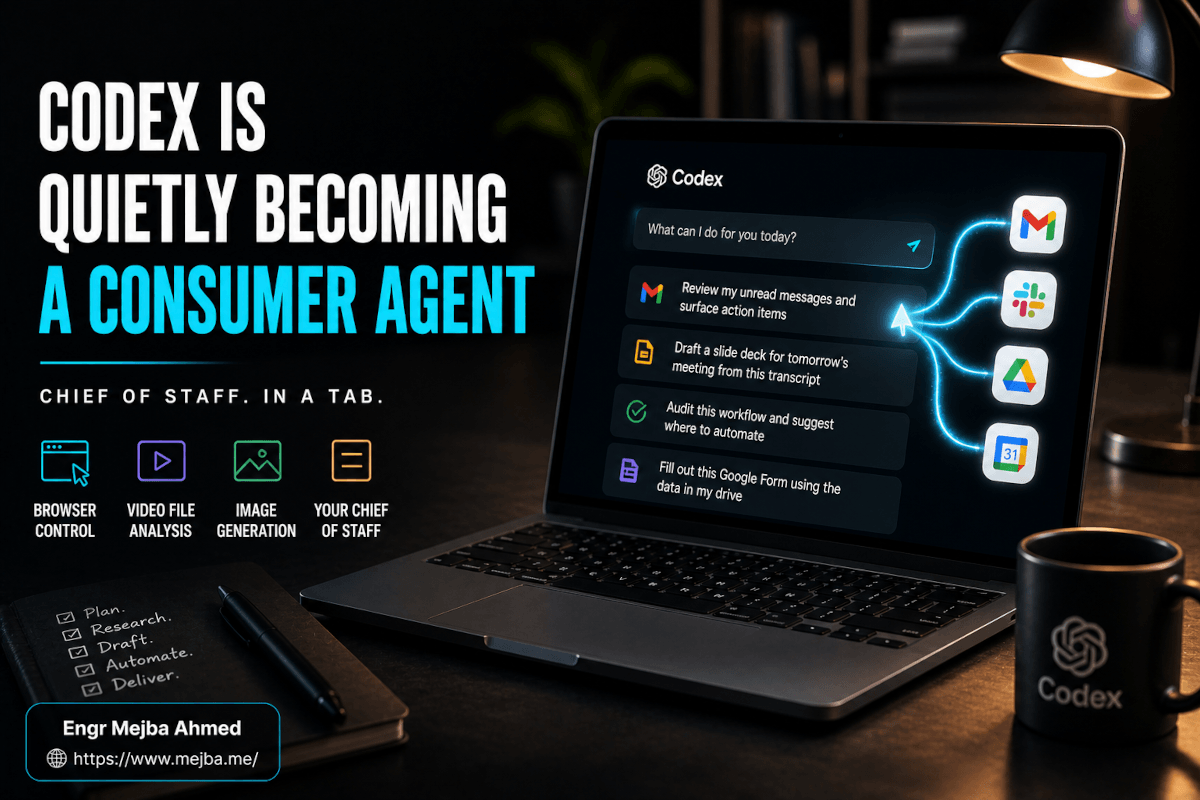
Während alle den Opus 4.8 Benchmark-Chart screenshotteten, verwandelte OpenAI leise Codex in etwas, das viel weniger nach einem Coding-Tool aussieht und viel mehr nach einem Betriebssystem für Agents. Hierhin ging meine Aufmerksamkeit diesen Monat wirklich, und ich denke, deine sollte es auch.
Gehen wir durch, was ausgeliefert wurde:
Windows-Computersteuerung. Am 29. Mai 2026 schaltete OpenAI die vollständige Computersteuerung für Codex unter Windows ein — der Agent kann Windows-Anwendungen sehen, klicken und darin tippen, nicht nur einen Sandbox-Browser. Der Agent verließ die IDE und betrat die gesamte Maschine.
Fernsteuerung vom Handy. Codex zeigt einen QR-Code, du scannst ihn mit der ChatGPT Mobile App, und steuerst jetzt eine Codex-Session auf deinem Desktop von deinem Handy aus — Windows oder Mac. Ich startete ein Refactoring auf meinem Laptop, ging zum Mittagessen, prüfte den Fortschritt und korrigierte von meinem Handy aus, und kam zu einer fertigen Branch zurück. Der Desktop wurde ein Arbeiter, den ich aus der Ferne beaufsichtige, statt ein Stuhl, an den ich gekettet bin.
Persistente eingeloggte Browser-Tabs. Der interne Browser von Codex hält jetzt den Login-Status über mehrere Tabs, wie eine echte Chrome-Sitzung. Das klingt banal. Ist es nicht. Es ist der Unterschied zwischen einem Agent, der nur öffentliche Seiten anfassen kann, und einem, der in deinen tatsächlichen authentifizierten Tools arbeiten kann.
Multi-Agent Thread-Orchestrierung. Du kannst einen Master-Prompt starten, der mehrere Sub-Agent-Threads erzeugt, die jeweils an einem Teil einer größeren Aufgabe arbeiten, koordiniert über Projekte und Git Worktrees. Das ist Agent-Teamarbeit als erstklassige Funktion, kein Hack. Wenn Multi-Agent-Orchestrierung für dich neu ist, behandelt mein Leitfaden für Opus Agent-Teams dasselbe Muster von der Claude-Seite — die Konzepte sind direkt übertragbar.
In-Chat-Suche über jede Konversation, plus eine GitHub-ähnliche Aktivitätsseite, die tägliche Streaks, Aufgabendauer und Token-Verbrauch verfolgt. Sie gamifizieren deine Agent-Nutzung so, wie GitHub Commits gamifiziert hat. Das ist ein Hinweis darauf, wohin die Reise geht.
Alles zusammengenommen ändert sich die Perspektive komplett. Codex ist nicht mehr „eine KI, die Code schreibt." Es ist eine Multi-Device, Multi-Agent Steuerungsoberfläche, die in deine Dateien, deine Browser-Sitzungen und jetzt deinen gesamten Desktop hineinreicht. Ich habe eine frühere Welle davon getestet und in meinem vollständigen Codex Super-App Review festgehalten — aber jedes Update schiebt es weiter von „App" in Richtung „Umgebung, in der du lebst." Das Modell darin ist fast nebensächlich. Die Plattform ist das Produkt.
Und sobald du Codex als Plattform statt als Tool siehst, wird eine Vorhersage, die vor sechs Monaten nach Science-Fiction klang, offensichtlich.
Vibe Coding wird zum Feature, nicht zum Produkt
Erinnerst du dich, als „Vibe Coding" bedeutete, sich bei einer speziellen Plattform anzumelden? Du gingst zu Replit oder Lovable oder Bolt, beschriebst deine App, und sie scaffoldete, hostete, verdrahtete Auth und provisionierte eine Datenbank. Diese Plattformen stehen auf dem Papier gut da — Lovable hat Berichten zufolge 8 Millionen Nutzer und $200 Millionen ARR erreicht, Bolt erreichte $40 Millionen ARR in unter fünf Monaten. Die Kategorie ist real und wächst.
Aber beobachte, wohin die Schwerkraft zieht.
Warum eine separate Vibe-Coding-Plattform öffnen, wenn der Agent, der bereits dein Terminal betreibt, die App generieren, in der Vorschau anzeigen, hosten und Auth plus Datenbank mit einem einzigen Prompt einrichten kann? Die Fähigkeit kollabiert in den Agent. Code-Generierung, sofortige Vorschau, Deployment, Auth, Datenbank — das hört auf, ein Ziel zu sein, das du aufsuchst, und wird zu Fähigkeiten, die dein Agent bereits zur Hand hat.
Ich denke, das ist die Richtung, und ich sage es klar: Vibe Coding wird zu einem Feature innerhalb des breiteren Agent-Ökosystems, nicht zu einem eigenständigen Produkt. Der wahrscheinliche Endzustand ist eine vollständige AI-native, plugin-basierte Vibe-Coding-Fähigkeit, die in Codex oder einer Claude-gesteuerten Umgebung lebt — mit „Bring deine eigenen Token" und Bring-deine-eigenen-Agents, sodass du die Kosten und Flexibilität kontrollierst, anstatt den Aufschlag einer Plattform zu zahlen.
Ich habe eine Version davon in Warum Vibe Coding tot ist argumentiert — nicht tot im Sinne von verschwunden, tot im Sinne von aufgelöst. Die Fähigkeit überlebt. Das eigenständige Produkt wird absorbiert. Genauso wie eigenständige „KI-Schreib-Apps" in jedes Tool absorbiert wurden, das du bereits nutzt.
Wenn du gerade ein Geschäft auf einer speziellen Vibe-Coding-Plattform aufbaust, ist das kein Grund zur Panik. Es ist ein Grund zu fragen, wo dein tatsächlicher Moat liegt. Denn die Generierungsfähigkeit ist es nicht — das wird zum Commodity-Feature. Was übrigens genau die Art strategischer Frage ist, bei der ich Gründern helfe; wenn du lieber jemanden hättest, der deine KI-Architektur kartiert, bevor du auf einem sich verschiebenden Fundament baust, kannst du sehen, was ich baue unter fiverr.com/s/EgxYmWD.
Wenn also das Modell ein Werkzeug und Vibe Coding ein Feature ist, was ist dann die eigentliche Frontier? Es ist eine Software-Kategorie, deren Namen die meisten Menschen noch nie gehört haben.
Agent Native Apps und das Aufkommen von Mini-Apps
Dan Shipper — CEO von Every — hat einen Satz, der mir seit Wochen im Kopf herumgeistert: Die meiste neue Software wird einfach „Claude Code im Trenchcoat" sein. Neue Features sind einfach Buttons, die Prompts an einen zugrundeliegenden allgemeinen Agent abfeuern.
Das ist der Kern von Agent-Native Apps: Software, die von Grund auf so konzipiert ist, dass sie von einem KI-Agent bedient wird, wobei die UI und der Agent gleichberechtigte Partner sind — alles, was die UI kann, kann der Agent, und umgekehrt. Shippers Team baute eine namens Proof, einen Dokumenteneditor, in dem Menschen und KI in Echtzeit zusammenarbeiten und ursprünglich Text lila für KI und grün für Menschen einfärbten, damit man genau sehen konnte, wer was geschrieben hat. Als sie es als kollaborative Web-App neu aufbauten, begann jeder bei Every es für alles zu nutzen. Das ist das Signal: Agent-native ist kein Gimmick, es ist eine bessere Arbeitsweise, die Menschen ohne Aufforderung übernehmen.
Erweitere die Idee jetzt um einen Schritt, zu dem, worüber ich wirklich begeistert bin: Mini-Apps.
Eine Mini-App ist eine kleine, aufgabenspezifische UI, die ein Agent bei Bedarf generiert und direkt über eingeloggte Plugins mit deinen echten Tools verdrahtet. Stell dir das konkret vor. Du bittest deinen Agent, sich um deinen Posteingang zu kümmern. Statt eine Textwand auszugeben, erstellt er eine kleine Tinder-artige Karten-UI: Jede E-Mail ist eine Karte mit einem bereits geschriebenen Antwortentwurf. Du wischst zum Genehmigen, tippst zum Bearbeiten, wischst in die andere Richtung zum Archivieren. Er lernt aus jedem Wisch — deinen Ton, was du ignorierst, worauf du immer antwortest — und die Entwürfe werden besser. Diese Mini-App existierte vor fünf Minuten noch nicht. Der Agent hat sie für diese Aufgabe gebaut, mit deinem echten Gmail verbunden, und sie wird sich auflösen, wenn du fertig bist.
Das ist die Vision: modulare UIs, generiert von Agents, direkt mit deinen Daten über authentifizierte Verbindungen verbunden — Gmail, Slack, Notion, alles. Du passt sie an, du teilst sie. Es ist das Fundament dessen, wie ein Agent-Betriebssystem tatsächlich aussieht.
Hier ist die ehrliche Einschränkung, denn ich verkaufe dir keine Luftschlösser. Wir sind noch nicht ganz so weit. Codex kann heute noch nicht Apps bauen lassen, die tief in deine authentifizierten Benutzer-Plugins integriert sind, wie diese Vision es erfordert — eine Mini-App zu bauen, die sicher in dein Live-Gmail mit den richtigen Berechtigungen liest und schreibt, ist genau das schwierige, halb gelöste Problem, das zwischen heute und dieser Zukunft steht. Die Plugins existieren. Der eingeloggte Browser existiert. Die Agent-Orchestrierung existiert. Das saubere, sichere „Bau mir eine Mini-App, die mit meinen echten Konten verbunden ist"-Primitiv ist das fehlende Stück. Aber jedes Update dieses Jahres hat genau diese Schiene gelegt. Ich würde darauf wetten, dass es in irgendeiner Form vor Jahresende kommt.
Und genau deshalb ist „Agent Native werden" die Fähigkeit, die du jetzt aufbauen solltest, bevor die Tools vollständig aufgeholt haben. Denn wenn Mini-Apps kommen, werden die Leute, die bereits in Agents denken, ihre eigene persönliche Software an einem Nachmittag bauen. Die Leute, die noch in ein Chatfenster tippen, werden warten, bis jemand es für sie ausliefert.
Was bedeutet „Agent Native werden" eigentlich für dich?
Lass es mich praktisch machen, denn „sei agent native" ist als Ratschlag nutzlos, wenn ich dir nicht sage, was du tatsächlich tun sollst.
Agent Native werden bedeutet 2026, deine Arbeit um vier Gewohnheiten herum umzustrukturieren:
-
Routiere, bete nicht an. Hör auf, ein Modell wie eine Sportmannschaft auszuwählen. Nutze Opus 4.8 für tiefe Codebase-Arbeit und selbstkontrollierende Reviews, GPT-5.5 in Codex für terminal-lastige und lange autonome Schleifen, und ein günstiges Modell für die Massen-Routinearbeit. Die Fähigkeit ist, den Job jedes Mal dem richtigen Werkzeug zuzuordnen.
-
Beaufsichtige statt bediene. Gewöhne dich daran, Agent-Arbeit zu starten, wegzugehen und aus der Ferne zu steuern — von deinem Handy, über Worktrees, über Threads. Wenn du noch jeden Tastendruck babysittest, nutzt du ein 2026er-Tool mit einem 2023er-Workflow.
-
Denke in Orchestrierung. Hör auf zu denken „ein Prompt, eine Antwort." Fang an zu denken „Hauptaufgabe, spawne Sub-Agents, koordiniere, merge." Multi-Agent-Threads sind kein Power-User-Spielzeug mehr; so wird der echte Durchsatz freigeschaltet.
-
Betrachte Software als Wegwerfware. Wenn Mini-Apps kommen, wird aus der Frage „welche App soll ich herunterladen" die Frage „welches Interface soll mein Agent gerade für diese Aufgabe bauen." Fang jetzt an, diese Denkweise zu üben, bevor die Tools sie dir aufzwingen.
Es gibt eine Social-Media-Analogie, die das Ganze kristallisiert. Auf jeder Plattform gibt es zwei Arten von Menschen: Produzenten, die die Tools kontrollieren und den Feed gestalten, und Konsumenten, die vom Algorithmus geformt werden. Die KI-Revolution spaltet sich auf genau dieselbe Weise. Entweder du lernst, diese Agents zu steuern — und wirst ein Produzent, der mit jeder Aufgabe Hebel aufbaut — oder du lässt sie als passiver Konsument über dich hinwegspülen, was auch immer für ein Interface jemand anderes dir vorsetzt.
Das ist die Wahl. Und deshalb habe ich aufgehört, Modellvergleiche als Hauptereignis zu schreiben. Das Modell ist jetzt der einfache Teil. Der schwierige, wertvolle, erlernbare Teil ist die Haltung des Produzenten: dein gesamtes Arbeitsleben rund um Agents zu organisieren, die du steuerst, anstatt auf den nächsten Benchmark-Chart zu warten, der dir sagt, welchem Modell du treu sein sollst.
Hier ist, worauf ich immer wieder zurückkomme. Die Benchmark-Lücke zwischen Opus 4.8 und GPT-5.5 wird dieses Jahr ein Dutzend Mal schrumpfen, sich umkehren und wieder schrumpfen. Nichts davon wird für die Person wichtig sein, die bereits Agent Native ist — sie routiert einfach um und shippt weiter. Also, wenn das nächste Modell launcht und dein Instinkt ist zu fragen „Ist es das beste?", ertappe dich selbst. Stell stattdessen die bessere Frage: Produziere ich damit, oder werde ich davon konsumiert? Beantworte das ehrlich, und du weißt genau, woran du als nächstes arbeiten solltest.
Häufig gestellte Fragen
Was bedeutet „Agent Native"?
Agent Native werden bedeutet, deine Arbeitsweise so umzustrukturieren, dass KI-Agents die Ausführung übernehmen und du die Steuerung — Aufgaben zum richtigen Modell routieren, aus der Ferne beaufsichtigen, mehrere Agents orchestrieren und Software als etwas betrachten, das ein Agent bei Bedarf baut. Es ist eine Arbeitshaltung, kein einzelnes Tool oder Produkt, das du kaufst.
Ist Claude Opus 4.8 besser als GPT-5.5 zum Programmieren?
Es kommt auf die Aufgabe an. Opus 4.8 führt bei vollständiger Codebase-Arbeit (69,2 % vs. 58,6 % bei SWE-Bench Pro) und selbstkontrollierendem Code Review, während GPT-5.5 beim Terminal-Coding gewinnt (78,2 % vs. 74,6 % bei Terminal-Bench 2.1) und bei langen autonomen Schleifen kosteneffizienter ist. Routiere tiefe Code Reviews zu Opus und terminal-lastige Arbeit zu GPT-5.5.
Was sind Agent Native Apps und Mini-Apps?
Agent Native Apps sind so gebaut, dass der KI-Agent und die UI gleichberechtigte Partner sind — alles, was du klicken kannst, kann der Agent, und umgekehrt. Mini-Apps sind kleine, aufgabenspezifische Interfaces, die ein Agent bei Bedarf generiert und über eingeloggte Plugins mit deinen echten Tools verdrahtet, und die sich auflösen, wenn die Aufgabe erledigt ist. Siehe den Agent-Native-Abschnitt oben für eine vollständige Erklärung.
Verschwinden Vibe-Coding-Plattformen wie Replit und Lovable?
Nicht verschwinden, sondern auflösen in Agents. Die Kernfähigkeit — generieren, Vorschau, hosten, Auth und Datenbank mit einem Prompt hinzufügen — kollabiert in allgemeine Agents wie Codex und Claude Code, wodurch Vibe Coding von einem eigenständigen Produkt zu einem Feature wird. Die Plattformen überleben durch Spezialisierung und Onboarding, nicht durch die Generierungsfähigkeit allein.
Lass uns zusammenarbeiten
Du möchtest KI-Systeme bauen, Workflows automatisieren oder deine technische Infrastruktur skalieren? Ich helfe dir gerne.
- Fiverr (individuelle Builds & Integrationen): fiverr.com/s/EgxYmWD
- Portfolio: mejba.me
- Ramlit Limited (Enterprise-Lösungen): ramlit.com
- ColorPark (Design & Branding): colorpark.io
- xCyberSecurity (Sicherheitsdienste): xcybersecurity.io