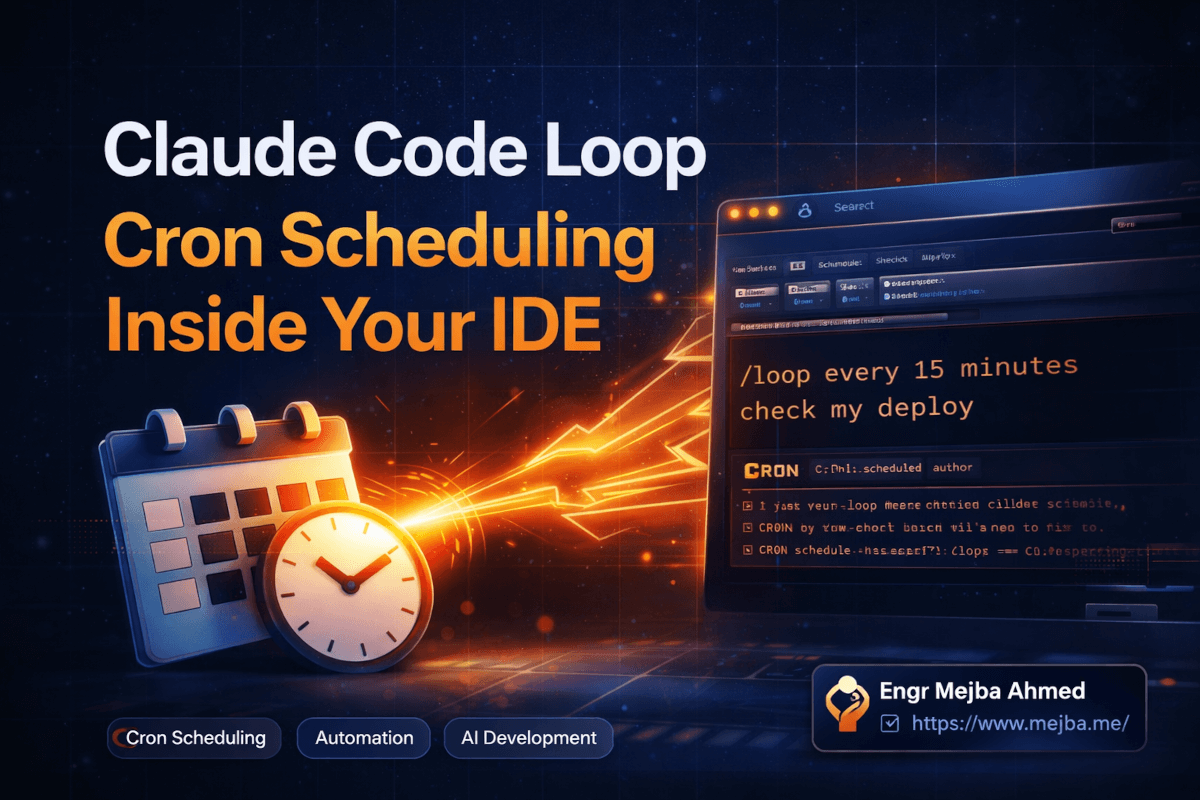

Es war 1:47 Uhr nachts an einem Dienstag, und ich beobachtete, wie ein Deployment sich langsam über drei Staging-Umgebungen ausbreitete. Nicht weil etwas kaputt war — sondern weil ich nicht darauf vertrauen konnte, dass nichts kaputtgehen würde. Alle fünfzehn Minuten wechselte ich zu meinem Terminal, führte denselben Statuscheck durch, scannte die Logs und wechselte zurück zu dem, woran ich vorgab zu arbeiten, während ich wartete. Vier Stunden davon. Vier Stunden als menschlicher Cron-Job.
Am nächsten Morgen, angetrieben von schlechtem Kaffee und noch schlechterem Schlaf, öffnete ich Claude Code und tippte sieben Wörter, die mir meine gesamte Nacht hätten ersparen können.
/loop every 15 minutes check my deploy
Dieser Befehl startete etwas, das ich mir seit Monaten gewünscht hatte — einen KI-Assistenten, der nicht nur reagiert, wenn ich frage, sondern nach Zeitplan weiterarbeitet, während ich buchstäblich alles andere tun kann. Die Loop-Funktion von Claude Code verwandelt deine Coding-Session in etwas, das eher einem Junior-Engineer gleicht, der neben dir sitzt und dir nur auf die Schulter tippt, wenn etwas deine Aufmerksamkeit braucht.
Aber hier ist, worüber noch niemand spricht: Loop ist nicht nur ein nettes Feature. Es verändert grundlegend die Beziehung zwischen dir und deinem KI-Assistenten und verschiebt sie von reaktiv zu proaktiv. Und die Art, wie es unter der Haube funktioniert — echtes Cron-Scheduling, das innerhalb deiner Session läuft — ist sowohl elegant als auch überraschend limitiert auf Weisen, die du verstehen musst, bevor du dich darauf verlässt.
Ich habe die letzten zwei Wochen damit verbracht, Loop an seine Grenzen zu treiben. Ich habe herausgefunden, wo es glänzt, wo es bricht, und ein paar Tricks, die noch in keiner Dokumentation stehen. Es gibt ein bestimmtes Konfigurationsmuster, auf das ich am dritten Tag zufällig gestoßen bin und das die Nützlichkeit des gesamten Features verdreifacht hat — ich zeige es dir, nachdem wir die Grundlagen behandelt haben.
Warum dein KI-Assistent eine Uhr brauchte
Hier ist ein Szenario, das dir wahrscheinlich bekannt vorkommt. Du steckst tief in einem Feature-Branch, vollständig im Flow-State, und irgendwo im Hinterkopf gibt es diesen nagenden Gedanken: Ist die CI-Pipeline schon fertig? Also wechselst du den Kontext. Öffnest den Browser. Checkst das Dashboard. Pipeline läuft noch. Zurück zum Code. Drei Minuten später kommt das Nagen zurück. Wiederhole, bis dein Flow-State komplett zerstört ist.
Das ist kein Produktivitätsproblem. Es ist ein Architekturproblem. Jeder KI-Codierassistent auf dem Markt — Claude Code, Cursor, Copilot, alle — arbeitet nach einem Request-Response-Modell. Du fragst, es antwortet. Vergisst du zu fragen, sitzt es stumm da. Die KI hat kein Zeitkonzept, keine Fähigkeit zur Initiative, keine Möglichkeit zu sagen: „Hey, die Sache, die du mich vor einer Stunde beobachten lassen hast? Die hat sich gerade geändert."
Loop behebt das, indem es Claude Code etwas gibt, das es nie zuvor hatte: ein Gefühl für wiederkehrende Verpflichtung.
Das Feature landete leise. Kein großes Launch-Event, kein auffälliges Demo-Video von Anthropic. Es tauchte einfach eines Tages im Claude Code-Toolset auf, und die meisten Entwickler, mit denen ich gesprochen habe, haben es entweder nicht bemerkt oder als Spielerei abgetan. Ich fast auch — bis mir klar wurde, dass es dir im Grunde einen programmierbaren, KI-gesteuerten Cron-Daemon gibt, der in deiner Entwicklungsumgebung lebt.
Überleg dir, was cron auf einem Server macht. Es führt Aufgaben nach Zeitplan aus, zuverlässig, ohne dass du darüber nachdenken musst. Stell dir jetzt dasselbe Konzept vor, aber anstatt ein Shell-Skript auszuführen, führt es einen KI-Agenten aus, der deine Codebasis lesen, externe Services prüfen, Logs analysieren und in natürlicher Sprache berichten kann. Das ist Loop.
Das Timing dieses Features ist ebenfalls wichtig. Wir sind an einem Punkt, an dem KI-Codierassistenten auf der Achse „schreibe besseren Code" ein Plateau erreichen. Die Modelle sind gut genug. Der nächste Wettbewerbsvorteil ist nicht smartere Codegenerierung — sondern smartere Workflow-Integration. Loop ist Anthropics erster echter Schritt in diese Richtung, und es verrät viel darüber, wohin sie das Produkt steuern wollen.
Aber bevor ich dir zeige, wie du es einrichtest, musst du verstehen, wie Loop intern tatsächlich funktioniert — denn es ist nicht das, was du erwarten würdest.
Wie Loop unter der Haube tatsächlich funktioniert
Wenn du eine Loop-Aufgabe erstellst, startet Claude Code keinen Hintergrund-Thread und kein separates Prozess. Es erstellt einen tatsächlichen Cron-Eintrag innerhalb des Scheduling-Systems der Session. Du kannst das selbst sehen, indem du nach dem Einrichten eines Loops cron list ausführst — jede wiederkehrende Aufgabe erscheint als strukturierter Cron-Job mit ID, Schedule-Ausdruck und zugehörigem Befehl.
So sieht der grundlegende Ablauf aus:
# Natürliche Sprache — Claude Code parst dies in einen Cron-Schedule
/loop every 10 minutes check if my test suite is passing

# Oder verwende den expliziten Befehl
cron create --schedule "*/10 * * * *" --command "Run the test suite and report failures"

# Alle aktiven Loops anzeigen
cron list

# Einen bestimmten Loop beenden
cron delete <job-id>
Das Parsing natürlicher Sprache ist wirklich beeindruckend. Ich habe es mit zunehmend vagen Anweisungen getestet:
- "every half hour" — korrekt gemappt auf
*/30 * * * * - "twice a day" — gemappt auf
0 */12 * * * - "every weekday morning at 9" — gemappt auf
0 9 * * 1-5 - "every 90 seconds" — dieses scheiterte graceful mit dem Hinweis, dass das Mindestintervall eine Minute beträgt
Unter der Haube läuft jeder Loop-Aufruf als frischer Prompt innerhalb deiner bestehenden Session. Claude Code nimmt deine ursprüngliche Anweisung, kombiniert sie mit dem aktuellen Session-Kontext und führt sie aus, als hättest du den Befehl gerade manuell eingegeben. Die Ergebnisse erscheinen in deinem Chat — jedes Mal, wenn der Loop feuert, eine neue Nachricht von Claude.
Diese Designentscheidung hat eine Konsequenz, die zunächst nicht offensichtlich ist. Jeder Loop-Aufruf verbraucht Tokens. Ein Loop, der alle 10 Minuten über 8 Stunden läuft, feuert 48 Mal. Wenn jeder Aufruf 2.000 Tokens für Kontext plus Antwort verbraucht, sind das 96.000 Tokens, die für eine einzelne wiederkehrende Aufgabe verbrannt werden. Skaliere das auf drei oder vier gleichzeitige Loops hoch, und du schaust auf ernsthaften Token-Verbrauch über einen Arbeitstag.
Das habe ich in meiner ersten Woche auf die teure Art gelernt. Mehr zu den genauen Zahlen später — sie haben mich überrascht.
Eine Sache, die ich an der Implementierung wirklich schätze: Loop unterstützt auch einmalige Erinnerungen. Wenn du /loop in 2 hours remind me to merge the PR tippst, erstellt Claude Code einen Cron-Job, feuert ihn einmal zum angegebenen Zeitpunkt und löscht den Job danach automatisch. Einfach, sauber, und etwas, das ich jetzt mehrmals täglich für Dinge verwende, die nichts mit Code zu tun haben.
Das Feature funktioniert auf jeder Claude Code-Oberfläche — der VS Code-Extension, der Desktop-App und dem Terminal. Ich habe es hauptsächlich im Terminal verwendet, weil ich dort lebe, aber die VS Code-Integration ist tatsächlich smoother für Monitoring-Aufgaben, da die Benachrichtigungen im Notification-System des Editors erscheinen.
Hier wird die Architektur interessant — und hier taucht die erste große Einschränkung auf.
Das Session-Problem, das niemand zuerst erwähnt
Loop-Aufgaben sind session-gebunden. Punkt. Schließt du dein Terminal, beendest VS Code, startest deine Maschine neu — jeder Loop, den du eingerichtet hast, verschwindet. Es gibt keine Persistenzschicht, keine State-Datei, die deine Loops über Sessions hinweg speichert, keine Möglichkeit, sie zu exportieren und wieder zu importieren.
Ich möchte direkt darüber sprechen, warum das wichtig ist, denn es hätte beinahe meinen gesamten Workflow mit dem Feature entgleist.
Während meiner zweiten Testwoche hatte ich ein wunderbares Setup laufen. Drei gleichzeitige Loops: einer, der alle 15 Minuten mein Staging-Deployment überwachte, einer, der stündlich nach neuen mir zugewiesenen Issues auf GitHub suchte, und einer, der alle 30 Minuten einen schnellen Lint-Durchlauf auf geänderten Dateien machte. Ich war tatsächlich produktiver. Dann ging mein Laptop in den Schlafmodus während der Mittagspause.
Alles weg. Keine Wiederherstellungsoption, kein „Vorherige Loops fortsetzen"-Prompt, als ich Claude Code wieder öffnete. Ich musste jeden Loop manuell neu erstellen, und da ich die exakten Befehle nirgends gespeichert hatte, verbrachte ich zehn Minuten damit, sie aus dem Gedächtnis zu rekonstruieren.
Das lehrte mich meine erste echte Lektion über Loop: Behandle deine Loop-Befehle wie Code. Speichere sie irgendwo.
Ich habe jetzt eine Datei namens loops.md in meinem Projekt-Root, die so aussieht:
# Active Loop Commands

## Deploy Monitor (during active deployments)
/loop every 15 minutes check the deployment status on staging and alert me if any service shows errors or restarts

## GitHub Issue Watch (daily work hours)
/loop every hour check my assigned GitHub issues and summarize any new ones or status changes

## Lint Guard (during active development)
/loop every 30 minutes run eslint on files changed in the last hour and report any new warnings or errors

## Break Reminder (always)
/loop every 90 minutes remind me to stand up, stretch, and look away from the screen for 2 minutes
Wenn ich eine neue Session starte, kopiere ich einfach die relevanten Befehle rein. Dauert dreißig Sekunden statt zehn Minuten Rekonstruktion. Es ist nicht elegant, aber es funktioniert.
Es gibt eine weitere Einschränkung, die im session-gebundenen Design eingebaut ist: das Drei-Tage-Maximum. Selbst wenn du eine Session ununterbrochen laufen lässt, läuft jeder Loop nach 72 Stunden ab. Anthropic hat das eindeutig als Schutzmaßnahme gegen unkontrollierten Token-Verbrauch konzipiert, und ehrlich gesagt halte ich das für die richtige Entscheidung. Aber es bedeutet, dass Loop grundsätzlich ein Kurzzeit-Tool ist.
Diese Unterscheidung wird entscheidend, wenn du Loop mit Scheduled Tasks vergleichst — einem separaten Feature, das Anthropic für langfristige, persistente Automatisierung baut. Ich werde genau aufschlüsseln, wann du welches verwenden solltest, im Implementierungsabschnitt. Die Kurzversion: Wenn deine Aufgabe mit deiner aktuellen Arbeitssession lebt und stirbt, ist Loop perfekt. Wenn sie einen Neustart überleben muss, brauchst du etwas anderes.
Die Session-Isolation erzeugt noch ein weiteres subtiles Problem, das mich überrascht hat.
Kontext-Verfall: Die versteckten Kosten lang laufender Loops
Nach etwa sechs Stunden kontinuierlicher Loop-Ausführung fiel mir etwas Seltsames auf. Mein Deployment-Monitor-Loop begann zunehmend vage und manchmal leicht ungenaue Zusammenfassungen zu liefern. Die ersten Check-ins waren präzise — spezifische Service-Namen, exakte Fehlerzahlen, klare Statusindikatoren. Um Stunde sechs herum waren die Antworten breiter und weniger genau geworden.
Das nenne ich inzwischen „Kontext-Verfall", und es passiert wegen der Art, wie Loop mit dem Kontextfenster von Claude Code interagiert.
Jeder Loop-Aufruf fügt der Gesprächshistorie der Session hinzu. Der ursprüngliche Kontext — deine Codebasis, deine anfänglichen Anweisungen, das angesammelte Gespräch — wächst mit jedem Loop-Zyklus. Wenn sich das Kontextfenster füllt, werden ältere Informationen komprimiert oder fallen weg. Die ursprüngliche Anweisung deines Loops bleibt erhalten, aber die Fähigkeit der KI, den scharfen Fokus auf das, was du genau gefragt hast, aufrechtzuerhalten, degradiert über die Zeit.
Stell dir vor, du sagst einem Kollegen, er soll alle fünfzehn Minuten etwas überprüfen. Die ersten Stunden sind sie gründlich und präzise. Nach acht Stunden derselben Aufgabe sind sie müde, ihre Aufmerksamkeit ist über alles verteilt, was an diesem Tag passiert ist, und ihre Berichte werden schlampiger. Gleiches Prinzip — anderer Mechanismus.
Ich habe drei Strategien gefunden, die helfen:
1. Halte Loop-Anweisungen atomar und spezifisch. Statt „check das Deployment und sag mir, wie's aussieht" schreibe „führe kubectl get pods -n staging aus und melde alle Pods, die nicht im Running-Status sind, mit ihren Restart-Counts." Je spezifischer die Anweisung, desto resistenter gegen Kontext-Degradation.
2. Beende und erstelle Loops alle 4-6 Stunden neu. Das setzt den angesammelten Kontext-Overhead zurück. Ja, es ist manuell. Ja, es ist nervig. Es ist auch die effektivste Maßnahme für Loop-Zuverlässigkeit.
# Schneller Reset-Workflow
cron list          # Notiere deine aktiven Job-IDs
cron delete <id>   # Entferne den degradierten Loop
# Dann mit demselben Befehl aus deiner loops.md Datei neu erstellen
3. Minimiere gleichzeitige Loops. Jeder aktive Loop trägt zum Kontext-Wachstum bei. Ich begann mit vier simultanen Loops und landete bei zwei als Sweet Spot für ganztägige Sessions. Drei sind für kürzere Zeiträume in Ordnung. Bei vier oder mehr wirst du innerhalb weniger Stunden Qualitätsdegradation bemerken.
Diese Workarounds sollten in einer perfekten Welt nicht nötig sein, aber Loop ist ein v1-Feature. Das Kernkonzept stimmt — die Kanten müssen nur noch gefeilt werden. Apropos Kanten: Lass mich dir das Setup zeigen, das Loop für meine tägliche Arbeit tatsächlich unverzichtbar gemacht hat.
Loop für echte Entwicklungs-Workflows einrichten
Vergiss die Spielzeugbeispiele. So verwende ich Loop tatsächlich in einer typischen Entwicklungswoche, mit exakten Befehlen, die du anpassen kannst.
Der Deployment-Babysitter
Das ist der Loop, den ich am häufigsten verwende. Bei jedem Deployment, das länger als ein paar Minuten dauert, starte ich ihn und kehre zur eigentlichen Arbeit zurück:
/loop every 10 minutes run kubectl get pods -n staging --no-headers and check for any pods with status other than Running. Also run kubectl logs --tail=20 on any restarting pods. Give me a one-line summary if everything is healthy, or a detailed breakdown if anything is wrong.
Das entscheidende Detail hier ist die „one-line summary if healthy"-Anweisung. Ohne sie erzeugt jeder Check-in eine mehrabsatzige Antwort, die deine Session vollmüllt. Du willst, dass Loop leise ist, wenn alles in Ordnung ist, und laut, wenn nicht.
Der PR Review Watcher
Wenn ich Pull Requests habe, die auf Review warten, erspart mir dieser Loop das zwanghafte GitHub-Checken:
/loop every 30 minutes check the status of my open pull requests on GitHub. Report any new comments, review requests, or CI status changes since the last check. Only report if something changed — stay silent if nothing is new.
Die „stay silent if nothing is new"-Anweisung ist entscheidend. Das habe ich gelernt, nachdem ein Loop mir pflichtbewusst alle dreißig Minuten „keine Änderungen" meldete — einen ganzen Nachmittag lang. Hilfreich in der Theorie, ablenkend in der Praxis.
Der Sprint Pulse Check
Während eines dreitägigen Sprints gibt mir dieser Loop einen laufenden Überblick über den Fortschritt, ohne Jira oder Linear zu öffnen:
/loop every 3 hours summarize the git log for the last 3 hours across all branches. Group commits by author and branch. Flag any force pushes or reverts. Keep it under 10 lines.
Dieser ist überraschend mächtig für Teamleiter. Statt Stand-up-Meetings abzuhalten, um herauszufinden, was passiert ist, bekommst du einen rollierenden Digest. Das Drei-Stunden-Intervall hält es ruhig und fängt trotzdem den Rhythmus eines Arbeitstages ein.
Der Smarte Pausentimer
Das klingt trivial, ist aber mein am konsistentesten genutzter Loop:
/loop every 90 minutes remind me to take a break. Include a random interesting fact about software engineering history. Make it fun.
Der „random interesting fact"-Teil sorgt dafür, dass ich die Benachrichtigung tatsächlich lese, statt sie wegzuklicken. Letzte Woche erzählte er mir vom Morris-Wurm von 1988. Die Woche davor teilte er die Geschichte von Margaret Hamiltons Apollo-Navigationscode. Kleines Detail, großer Unterschied bei der Befolgung.
Schritt-für-Schritt-Setup für Einsteiger
Wenn du Loop noch nie benutzt hast, hier ist der Weg von Null zu nützlich:
Schritt 1: Überprüfe, ob du Loop-Zugang hast.
Öffne Claude Code (Terminal, VS Code oder Desktop-App) und tippe:
cron list
Wenn du eine leere Liste oder eine formatierte Antwort zurückbekommst, bist du startklar. Wenn du einen Fehler bekommst, aktualisiere auf die neueste Claude Code-Version.
Schritt 2: Beginne mit einer einmaligen Erinnerung, um Vertrauen aufzubauen.
/loop in 5 minutes remind me that Loop is working
Warte fünf Minuten. Wenn die Erinnerung auslöst und sich automatisch löscht, weißt du, dass das System korrekt funktioniert.
Schritt 3: Erstelle deinen ersten wiederkehrenden Loop.
Fang einfach an. Versuche nicht, am ersten Tag deine gesamte Infrastruktur zu überwachen.
/loop every 30 minutes tell me how many uncommitted changes I have and whether my current branch is behind origin
Schritt 4: Überprüfe deine aktiven Loops.
cron list
Du siehst eine Ausgabe mit deiner Job-ID, dem Zeitplan, der nächsten Laufzeit und dem zugehörigen Befehl. Speichere die Job-ID — du brauchst sie, wenn du den Loop stoppen willst.
Schritt 5: Lerne aufzuräumen.
cron delete <job-id>
Räume immer Loops auf, die du nicht mehr brauchst. Sie verbrauchen Tokens, selbst wenn ihre Ausgabe dir nicht mehr nützlich ist.
Profi-Tipp: Wenn du dir Sorgen über Token-Kosten machst, stelle deine ersten Loops auf stündliche Intervalle ein. Du kannst die Frequenz jederzeit erhöhen, sobald du das Verbrauchsmuster erkennst. Ich verfolge meinen Verbrauch, indem ich in der ersten Woche am Ende jedes Tages mein Usage-Dashboard checke.
Eine Sache, die die meisten Tutorials komplett überspringen: Du kannst Loop auf Umgebungsebene deaktivieren, wenn du in einem Team arbeitest und versehentlichen Token-Verbrauch verhindern willst.
# Loop/Cron für eine Session komplett deaktivieren
export CLAUDE_CODE_DISABLE_CRON=1
Das ist nützlich für geteilte Umgebungen oder CI-Pipelines, wo du definitiv nicht willst, dass jemandes Loop die Rechnung hochtreibt. Jetzt gibt es einen Vergleich, der wichtig wird, sobald du dich für echte Arbeit auf Loop verlässt.
Loop vs. Scheduled Tasks: Das richtige Werkzeug wählen
Anthropic baut zwei separate Scheduling-Systeme, und die Namensverwirrung hat fast jeden, mit dem ich gesprochen habe, aus dem Tritt gebracht. Hier ist die klarste Aufschlüsselung, die ich geben kann.
Loop ist dein Assistent innerhalb der Session. Stell es dir als Post-it auf deinem Monitor vor, der zufällig auch Befehle ausführen und Ergebnisse analysieren kann. Es existiert nur, während du arbeitest, es verschwindet, wenn du gehst, und es hat ein Maximum von drei Tagen. Die Superkraft ist der Setup-freie Komfort — natürliche Sprache, sofortige Aktivierung, direkt in deinen Coding-Flow integriert.
Scheduled Tasks ist die persistente Automatisierungsschicht. Es übersteht Neustarts, läuft unbegrenzt, holt verpasste Intervalle nach und funktioniert eher wie ein traditioneller Cron-Daemon mit KI-Fähigkeiten. Stand jetzt ist es nur in der Desktop-App verfügbar, obwohl Anthropic die Plattformunterstützung erweitert.
Hier ist, wann jedes seine Stärke ausspielt:
Verwende Loop wenn:
- Du aktiv arbeitest und Hintergrund-Monitoring möchtest
- Die Aufgabe nur während dieser spezifischen Arbeitssession relevant ist
- Du etwas in 5 Sekunden ohne Konfiguration laufen haben willst
- Du in VS Code oder im Terminal bist (wo Scheduled Tasks noch nicht verfügbar ist)
- Der Überwachungszeitraum Stunden beträgt, nicht Wochen
Verwende Scheduled Tasks wenn:
- Die Automatisierung Maschinen-Neustarts überleben soll
- Du Nachhol-Verhalten brauchst (verpasste Aufgaben nach Downtime nachholen)
- Die Aufgabe unbegrenzt läuft — tägliche Reports, wöchentliche Zusammenfassungen, laufendes Monitoring
- Zuverlässigkeit wichtiger ist als Bequemlichkeit
- Du Workflow-Automatisierung baust, von der andere abhängen
Der Fehler, den ich Entwickler machen sehe, ist Loop für Dinge zu verwenden, die Persistenz brauchen. Ein Deploy-Monitor während eines zweistündigen Rollouts? Perfektes Loop-Terrain. Ein täglicher Code-Qualitätsreport, der jeden Morgen um 9 Uhr läuft? Das ist ein Scheduled Task, und Loop dafür zu verwenden bedeutet, dass du ihn jedes Mal manuell neu erstellen musst, wenn du deine Maschine neustartest.
Ich habe beide Systeme eine Woche lang parallel laufen lassen, um die Grenzen auszutesten. Loop erledigte mein Monitoring-während-der-Arbeit wunderbar. Scheduled Tasks führte meinen Morgen-Digest und die Tagesend-Zusammenfassung aus, ohne dass ich daran denken musste. Die Kombination ist wirklich mächtig — aber nur, wenn du die Grenze zwischen kurzlebig und persistent respektierst.
Es gibt noch eine Sache an diesem Vergleich, die meiner Meinung nach verrät, wohin Anthropic strategisch steuert. Die Tatsache, dass sie zwei separate Systeme gebaut haben, statt einfach Persistenz zu Loop hinzuzufügen, sagt mir, dass sie In-Session-KI-Assistenz und Hintergrund-Automatisierung als grundlegend verschiedene Produkte betrachten. Loop dreht sich darum, deine aktuelle Session smarter zu machen. Scheduled Tasks dreht sich darum, deinen Workflow smarter zu machen, selbst wenn du nicht am Rechner sitzt. Beides ist wichtig. Sie bedienen unterschiedliche Bedürfnisse.
Mit diesem Kontext klar, lass mich den ehrlichen Teil teilen — die Dinge, die schiefgingen, und was ich mir wirklich anders wünschen würde.
Die ehrliche Bewertung: Was ich wünschte, jemand hätte es mir gesagt
Ich habe bisher ein ziemlich optimistisches Bild gezeichnet, und das meiste davon ist verdient. Loop hat meinen täglichen Workflow tatsächlich verbessert. Aber ich würde dir einen schlechten Dienst erweisen, wenn ich nicht über die rauen Kanten sprechen würde, denn einige davon sind scharf genug zum Schneiden.
Token-Verbrauch ist real und summiert sich schnell. Ich habe das vorhin erwähnt, aber lass mich echte Zahlen darauflegen. Während einer intensiven Loop-Woche — drei gleichzeitige Loops über achtstündige Arbeitstage — stieg mein Token-Verbrauch um ungefähr 40% im Vergleich zu meiner Baseline ohne Loop. Für Einzelentwickler mit nutzungsbasierter Abrechnung ist das eine spürbare Kostensteigerung. Für Teams kann es signifikant sein. Ich denke nicht, dass das ein Dealbreaker ist, aber du musst es einplanen. Die Produktivitätsgewinne rechtfertigen die Kosten in meinem Fall mehr als genug, aber deine Rechnung könnte anders aussehen.
Das fehlende Nachhol-Verhalten ist nerviger als erwartet. Wenn deine Maschine zwanzig Minuten schläft und ein Loop bei Minute zehn hätte feuern sollen, ist diese Ausführung einfach verloren. Sie wird nicht nachgeholt, wenn du aufwachst. Sie springt einfach zum nächsten geplanten Intervall. Für Monitoring-Aufgaben bedeutet das, dass du Events während Schlafphasen verpassen kannst. Ich habe angefangen, meine Maschine während aktivem Deployment-Monitoring auf „nie schlafen" zu stellen, was ein absurder Workaround für etwas ist, das ein eingebautes Feature sein sollte.
Session-Isolation bedeutet kein globales Management. Wenn du Loop in einem VS Code-Fenster laufen hast und eine Terminal-Session öffnest, kannst du die VS Code-Loops vom Terminal aus weder sehen noch verwalten. Jede Session ist eine eigene Insel. Ich hatte versehentlich doppelte Loops laufen, weil ich vergessen hatte, dass ich einen in einem anderen Fenster eingerichtet hatte. Es gibt keinen cron list --all-sessions-Befehl, und ich wünschte, es gäbe einen.
Fehlerbehandlung ist minimal. Wenn der Befehl eines Loops fehlschlägt — vielleicht ist der kubectl-Kontext abgelaufen, oder GitHubs API hat dich rate-limitiert — meldet der Loop einfach den Fehler und feuert weiter nach Zeitplan. Er fährt nicht zurück, versucht es nicht mit anderen Parametern, warnt dich nicht, dass er die letzten sechs Zyklen fehlgeschlagen ist. Du musst aktiv deine Monitore überwachen, was ironisch ist.
Das Drei-Tage-Limit fühlt sich für manche Anwendungsfälle willkürlich an. Ich hatte einen echten Grund, einen Loop fünf Tage lang während einer langwierigen Migration laufen zu lassen. Ging nicht. Der Loop lief am dritten Tag ab, und ich musste daran denken, ihn am vierten Tag manuell neu zu erstellen. Bitte, lasst mich mein eigenes Ablaufdatum setzen.
Hier ist meine kontroverse Meinung: Ich denke, Loop wurde etwa sechs Monate zu früh veröffentlicht. Die Kernidee ist brillant — KI-Assistenten Zeitbewusstsein zu geben, ist der offensichtliche nächste Schritt in der Evolution von Coding-Tools. Aber die Implementierung hat genug Lücken, dass du Workarounds für Basisszenarien brauchst. Session-Persistenz, Nachhol-Ausführung, Cross-Session-Management und smartere Fehlerbehandlung hätten in v1 sein sollen.
Das gesagt — und ich möchte hier deutlich sein — ich benutze Loop immer noch jeden Tag. Die Lücken sind nervig, nicht disqualifizierend. Der Produktivitätsgewinn allein durch den grundlegenden Deployment-Monitoring-Loop reicht aus, um das Leben mit den rauen Kanten zu rechtfertigen. Ich will nur, dass die Kanten gefeilt werden, und ich denke, Anthropic weiß das auch.
Ich dachte früher, meine Frustration bedeute, dass das Feature nicht bereit war. Jetzt denke ich, es bedeutet, dass das Feature wichtig genug ist, um frustrierend zu sein, wenn es zu kurz greift. Da ist ein Unterschied.
Mit all dieser Ehrlichkeit auf dem Tisch, lass mich dir die tatsächlichen Ergebnisse aus zwei Wochen strukturierter Loop-Nutzung zeigen.
Zwei Wochen Loop: Die Zahlen
Ich habe meine Workflow-Metriken zwei Wochen lang mit aktivem Loop versus zwei Wochen ohne getrackt. Der Vergleich ist nicht perfekt wissenschaftlich — unterschiedliche Projekte, unterschiedliche Deadlines — aber die Trends sind klar genug, um aussagekräftig zu sein.
Kontextwechsel-Reduktion: 60% weniger. Das ist der größte Gewinn, und es ist nicht mal knapp. Vor Loop checkte ich manuell Deployment-Status, CI-Pipelines und GitHub-Benachrichtigungen durchschnittlich 22 Mal am Tag. Mit Loop, das diese Checks übernimmt, sank ich auf etwa 9 manuelle Checks — und die meisten davon waren Verifizierung von Loops Berichten, nicht weil ich unabhängig prüfen musste.
Flow-State-Dauer: ungefähr 35% länger. Meine längsten ununterbrochenen Coding-Strecken gingen von durchschnittlich etwa 45 Minuten auf über eine Stunde. Das korreliert mit der Kontextwechsel-Reduktion — weniger Unterbrechungen bedeuten längere Fokusphasen. Ich habe das lose über das Aktivitätstracking meiner IDE gemessen, also nimm den exakten Prozentsatz mit einer Prise Salz. Die Richtung der Verbesserung ist aber echt.
Deployment-Vertrauen: merkbar höher. Das ist qualitativ, nicht quantitativ, aber es zählt. Zu wissen, dass Loop alle zehn Minuten mein Deployment überwacht, lässt mich tatsächlich auf andere Arbeit fokussieren während Rollouts, anstatt über Dashboards zu schweben. Ich habe zwei Features während Deployment-Fenstern ausgeliefert, die ich normalerweise auf nach dem Rollout verschoben hätte.
Token-Kostenanstieg: etwa 40% an intensiven Loop-Tagen. Wie oben erwähnt. An Tagen, an denen ich nur einen oder zwei Loops mit stündlichen Intervallen laufen ließ, lag der Anstieg eher bei 15%. Die Kosten skalieren linear mit Loop-Anzahl und Frequenz, was es zumindest vorhersehbar macht.
Zeitaufwand für Loop-Verwaltung: etwa 5 Minuten pro Tag. Loops bei Session-Start erstellen, gelegentlich wegen des Kontext-Verfalls-Problems beenden und neu erstellen, und am Ende des Tages aufräumen. Trivialer Overhead für den gelieferten Wert.
Die Metrik, die mich am meisten interessiert — und die am schwersten zu messen ist — ist kognitive Last. Zwei Wochen lang verschwand ein bedeutender Teil meines mentalen Hintergrundrauschens („Ist das Deployment fertig?", „Hat jemand meinen PR kommentiert?", „Läuft CI zu lange?") einfach. Loop übernahm diese Gedanken für mich. Der mentale Freiraum, der dadurch entstand, ist mehr wert als jede quantitative Metrik.
Hier ist, was ich die Quick Wins versus den Langzeitwert nennen würde:
Quick Wins (Tag eins): Pausenerinnerungen, Deployment-Monitoring während aktiver Rollouts, einmalige Erinnerungen für Meetings und Deadlines. Diese erfordern null Lernkurve und reduzieren sofort Reibung.
Langzeitwert (Woche zwei und darüber hinaus): Angepasste Loop-Bibliotheken in deinem Projekt gespeichert, teamspezifische Monitoring-Muster, Integration mit deiner spezifischen Toolchain (kubectl, gh cli, Custom Scripts). Das erfordert Experimentieren und Iteration, aber die Zinseszins-Rendite ist signifikant.
Wenn du dich fragst, ob Loop einen Versuch wert ist — hör auf zu fragen. Richte morgen früh einen Loop ein. Den Deploy-Monitor, wenn du Backend-Arbeit machst, den PR-Watcher, wenn du in review-intensiven Zyklen bist, oder den Pausentimer, wenn du einfach spüren willst, wie sich das Feature anfühlt. Fünf Minuten Setup. Du wirst innerhalb von zwei Stunden wissen, ob es in deinen Workflow passt.
Die Frage, die mich nachts wachhält
Vor zwei Monaten war ich der Cron-Job. Manuell Deployments checken, manuell nach PR-Reviews scannen, manuell jede operative Sorge im Blick behalten, während ich versuchte, Code zu schreiben. Loop hat das geändert — nicht vollständig, nicht perfekt, aber bedeutsam.
Was mich an diesem Feature am meisten beeindruckt, ist nicht, was es heute tut. Es ist das, was es über morgen signalisiert. Wenn dein KI-Assistent eine Uhr bekommt, hört er auf, ein Werkzeug zu sein, das du benutzt, und wird zu einem Kollegen, der aufpasst. Loop ist ein erster Entwurf dieser Idee. Scheduled Tasks ist der zweite Entwurf. Der dritte Entwurf — der, bei dem dein KI-Assistent proaktiv Dinge bemerkt, nach denen du gar nicht gefragt hast — ist wahrscheinlich näher, als irgendjemand von uns denkt.
Ich komme immer wieder auf diese Deployment-Nacht um 1:47 Uhr zurück. Vier Stunden als menschlicher Cron-Job. Mit Loop komprimiert sich diese ganze Nacht in einen einzelnen Befehl und eine gute Nachtruhe. Die KI beobachtet. Die KI berichtet. Du ruhst dich aus.
Das Feature ist nicht perfekt. Die Session-Persistenz-Lücke ist real. Der Kontext-Verfall muss gelöst werden. Das Drei-Tage-Limit braucht Flexibilität. Aber die Kernidee — KI Zeitbewusstsein und wiederkehrende Handlungsfähigkeit innerhalb deines Entwicklungs-Workflows zu geben — ist so offensichtlich richtig, dass die Einschränkungen sich vorübergehend anfühlen.
Also hier ist meine Herausforderung: Wähle eine Sache, die du mehr als dreimal am Tag manuell überprüfst. Nur eine. Richte morgen einen Loop dafür ein. Lass ihn eine Woche laufen. Dann versuche, zum manuellen Überprüfen zurückzukehren.
Das wirst du nicht wollen.
Let's Work Together
Looking to build AI systems, automate workflows, or scale your tech infrastructure? I'd love to help.
- Fiverr (custom builds & integrations): fiverr.com/s/EgxYmWD
- Portfolio: mejba.me
- Ramlit Limited (enterprise solutions): ramlit.com
- ColorPark (design & branding): colorpark.io
- xCyberSecurity (security services): xcybersecurity.io