Zuletzt aktualisiert: 27. Juni 2026
Ein Modell, das zwei Wochen lang dunkel war, hinterlässt normalerweise keine Fingerabdrücke. Dieses schon.
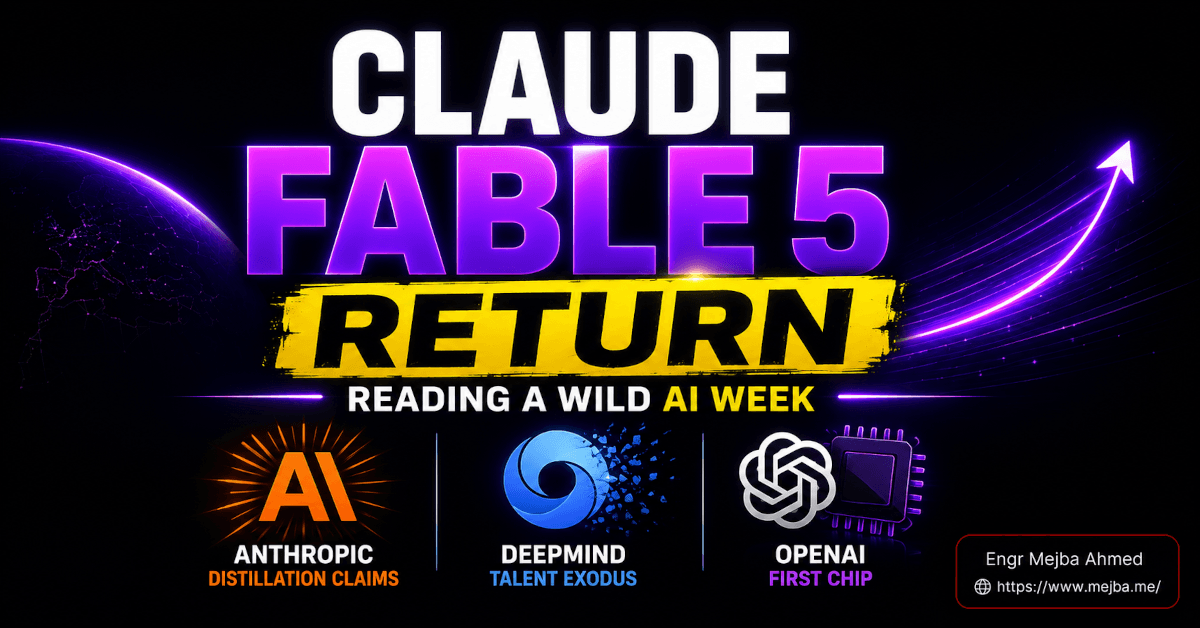
Bis Freitagmorgen hatte ich vier Browser-Tabs offen, jeder mit einem anderen Brotkrümel, der auf dieselbe Schlussfolgerung wies: die Claude Fable 5 Rückkehr wird hinter den Kulissen vorbereitet, selbst während Anthropics eigene Mitarbeiter — unmissverständlich, öffentlich — behaupten, dass das Modell null Traffic bedient. Bedrock-Einträge. Update-Strings vergraben in einem Claude Code-Release. Prediction-Market-Quoten, die sich innerhalb einer Woche verdoppelten. Eine App-Sichtung, die möglicherweise nichts weiter als ein UI-Bug ist. Nichts davon ist eine Ankündigung. Alles zusammen ist es ein Muster.
Diese Spannung — echte Signale versus ein offizielles „Hier gibt es nichts zu sehen" — ist es, die diese spezielle Woche eher wie einen Wendepunkt als nur eine weitere Nachrichtenflut wirken ließ. Also tat ich, was ich letztes Mal getan habe: Ich setzte mich hin und überprüfte jede Behauptung anhand der öffentlichen Aufzeichnungen, bevor sie hier einen Satz verdiente. Was ich bestätigen konnte, sage ich klar. Was kursiert, aber unbestätigt ist, markiere ich genau als das — Leak, Gerücht, Wettmarkt-Wette — und erkläre, warum es trotzdem relevant ist. Wenn du Produkte auf diesen Modellen baust, ist die Grenze zwischen Fakt und Gerede keine Fußnote. Sie ist deine Roadmap.
Hier ist mein ehrlicher Disclaimer vorab, wie immer: Ich habe keinen privaten Benchmark auf einem eingeschränkten Frontier-Modell durchgeführt, das nur eine Handvoll Labs berühren kann und sonst niemand. Das hat auch niemand, der die atemlosen Threads schreibt, die du gesehen hast. Dies ist die Einschätzung eines Entwicklers einer wirklich seltsamen Woche, gegründet auf den Teilen, die ich verifiziert habe, und den Teilen, mit denen ich tatsächlich gearbeitet habe. Lasst uns sie trennen.
Die Claude Fable 5 Rückkehr: was ist Signal, was ist Rauschen
Schnelle Zeitlinie, denn die Reihenfolge der Ereignisse ist die ganze Geschichte. Claude Fable 5 — Anthropics Mythos-Klasse Frontier-Modell — ging am 9. Juni 2026 über die Claude API, AWS, Amazon Bedrock, Google Cloud und Microsoft Foundry live. Drei Tage später, am 12. Juni, verschwand der Zugang. Der angegebene Grund, laut AWS' eigenen Modellkarten-Notizen und Anthropics Kommunikation, war die Einhaltung einer Richtlinie der US-Regierung — die Art von Sprache, die verwendet wird, wenn eine kontrollierte Red-Team- oder Sicherheitsbewertung stattfindet, nicht wenn ein Modell einfach gefloppt ist.
Das Modell existierte also, wurde öffentlich ausgeliefert und innerhalb von zweiundsiebzig Stunden zurückgezogen. Dieser Teil ist verifizierbar. Alles danach ist, wo man eine ruhige Hand braucht.
Stand 25. Juni sagte Anthropic immer noch — offiziell —, dass es keinen Fable- oder Mythos-Traffic bedient, und dass jeder Bericht, der behauptet, das Modell sei „zurück", kategorisch falsch sei. Mitarbeiter gingen weiter und bezeichneten die In-App-Sichtungen als UI-Bugs statt als Live-Inferenz. Nimm das ernst. Wenn das Unternehmen, dem das Modell gehört, dir sagt, dass es nicht läuft, liegt die Beweislast vollständig bei denen, die das Gegenteil behaupten.
Und doch sind die Brotkrümel echte Brotkrümel:
- Decrypt berichtete über geleakten Client-seitigen Code, der nahelegt, dass Anthropic sich darauf vorbereitet, Fable 5-Zugang in Claude-Abonnements zu bündeln, komplett mit Strings, die auf wöchentliche Nutzungslimits hindeuten. So behandelt man kein Modell, das man einstellt.
- Amazon Bedrock-Einträge für das Modell wurden erneut gesichtet, was mit Infrastruktur konsistent ist, die für eine eingeschränkte Wiederherstellung vorbereitet wird.
- Claude Code Update-Strings in einem kürzlichen Punkt-Release verweisen auf Fable-Routing — wiederum Installationsarbeiten, kein Beweis.
- Prediction Markets für eine Rückkehr nur in den USA bis zum 31. Juli schwankten Berichten zufolge von etwa 45% auf über 90% innerhalb einer einzigen Woche.
So lese ich das alles. Die Sichtungen? Ich würde auf UI-Bugs setzen, genau wie Anthropic sagt — halb gerenderte Modellauswahlen und gecachte Strings sind die langweiligste Erklärung, und die langweilige Erklärung gewinnt meistens. Aber die Vorbereitung? Die glaube ich. Man bündelt keine Abonnementstufen und bereitet keine Bedrock-Infrastruktur vor für ein Modell, das man einstellt. Die schlüssigste Geschichte ist die unspektakuläre: Ein Frontier-Modell geriet in eine Sicherheitsüberprüfung der Regierung, die Überprüfung neigt sich dem Ende zu, und Anthropic baut leise die Schienen für ein eingeschränktes, USA-zuerst-Comeback, das es noch nicht ankündigen darf.
Achte auf das, was das Unternehmen baut, nicht auf das, was es sagt. Unternehmen unter einer Regierungsrichtlinie sagen, was sie sagen dürfen. Die Infrastruktur verrät die Wahrheit. Wenn die Wettmärkte auch nur richtungsmäßig richtig liegen, landet die Claude Fable 5 Rückkehr vor August — und ihre Form (wöchentliche Limits, abonnementgebündelt, nur USA) verrät dir, dass sie an der kurzen Leine kommt.
Ist Claude Fable 5 jetzt zurück? Nein. Stand 25. Juni 2026 erklärt Anthropic, dass es null Fable 5-Traffic bedient, und jede Behauptung, das Modell sei öffentlich zugänglich, ist falsch. Die sichtbaren Signale — Bedrock-Einträge, geleakter Abonnement-Code, Prediction-Market-Quoten — deuten auf Vorbereitung für eine mögliche USA-exklusive Wiederherstellung hin, nicht auf ein Live-Modell. Es wurde nichts offiziell angekündigt.
Das ist die Featured-Snippet-Version. Nun der Teil, der für dich wirklich zählt: Ein Modell, das innerhalb von zweiundsiebzig Stunden per Richtlinie abgeschaltet werden kann, ist keine Versorgungsleistung. Ich habe genau dieses Argument gemacht, als ich über Exportkontrollen und warum Einzelanbieter-Abhängigkeit jetzt eine Architekturentscheidung ist schrieb — und die Fable 5-Saga ist dieses abstrakte Risiko, das konkret wurde. Wenn die Kernfähigkeit deines Produkts auf einem einzigen Frontier-Modell basiert, hast du gerade gesehen, wie diese Fähigkeit zwei Wochen lang mit drei Tagen Vorwarnung verschwand. Baue jetzt die Naht, an der du Modelle tauschen kannst, solange es günstig ist.
Anthropics Destillationsvorwürfe: industrieller Modelldiebstahl
Während das Fable 5-Mysterium die Zeitlinie dominierte, rutschte die folgenreichere Geschichte fast durch. Das hätte nicht passieren dürfen.
Am 10. Juni schickte Anthropic einen Brief — zuerst von Bloomberg gemeldet — an die US-Senatoren Tim Scott und Elizabeth Warren, in dem es behauptete, dass Betreiber, die mit Alibabas Qwen-Lab verbunden sind, die größte bekannte Destillationskampagne gegen Claude durchführten. Die Zahlen, wie Anthropic sie präsentiert: ungefähr 25.000 betrügerische Accounts und fast 28,8 Millionen Austausche zwischen dem 22. April und dem 5. Juni, gezielt auf Claudes agentisches Schlussfolgern, Software-Engineering und Langzeit-Aufgabenfähigkeiten.
Zwei Dinge gleichzeitig festzuhalten hier. Erstens sind dies Vorwürfe — Anthropics Darstellung in einem Brief an Gesetzgeber, kein Gerichtsurteil. Rahme sie entsprechend ein. Zweitens ist der zugrunde liegende Mechanismus real, gut verstanden und aufrichtig deine Aufmerksamkeit wert, unabhängig davon, wer was bei wem getan hat.
Destillation, von Jargon befreit, ist das Beibringen an ein schwächeres Modell, ein stärkeres zu imitieren. Man bombardiert das starke Modell mit Millionen von Prompts, erntet seine Outputs und trainiert das eigene Modell, diese Denkmuster zu reproduzieren. Man bekommt nicht die Gewichte. Man bekommt das Verhalten — was für viele kommerzielle Zwecke das meiste ist, was zählt. Es ist das KI-Äquivalent von Reverse Engineering eines Konkurrenzprodukts, indem man zehntausend Einheiten kauft und sie alle auseinandernimmt.
Was diese Version härter treffen lässt, ist die Skala und das Muster. Anthropic enthüllte etwas Ähnliches im Februar 2026 — Operationen, die es DeepSeek, Moonshot AI und MiniMax zuschrieb, zusammen etwa 24.000 betrügerische Accounts und 16 Millionen Austausche. Die Alibaba-Operation, wie behauptet, übersteigt all diese zusammen. Die Trendlinie, ob in ihren Einzelheiten wahr oder nicht, ist also die Geschichte: Frontier-Fähigkeiten lecken schneller über die API als sie eingezäunt werden können, und die Labs eskalieren es nun von einem Betrugs-und-Missbrauchsproblem zu einer nationalen Sicherheitsfrage, indem sie die Beschwerden über den Kongress leiten.
Meine Einschätzung als jemand, der auf diesen Modellen baut und die Open-Weight-Szene genau verfolgt — und ich habe echte Zeit damit verbracht, die chinesischen offenen Releases zu benchmarken, von Kimi K2.7 bis zu den offenen Coding-Modellen, die ich tatsächlich nutze: Die unbequeme Wahrheit ist, dass Destillation der Grund ist, warum der Abstand zwischen geschlossenen Frontier-Modellen und schnell nachfolgenden offenen Modellen immer wieder auf Monate zusammenschrumpft. Als ich GLM, Qwen und Claude Opus gegeneinander antreten ließ, schlugen die offenen Modelle weit über dem, was ihre Trainingsbudgets erlauben sollten. Ein Teil davon ist brillantes Engineering. Ein Teil davon, wenn Anthropics Vorwürfe gegen mehrere Labs Bestand haben, ist das starke Modell, das leise das günstige durch die Vordertür unterrichtet.
Das ist der geopolitische Knoten, den niemand gelöst hat. Man kann nicht gleichzeitig eine offene API und einen vollständig verteidigbaren Fähigkeitsgraben haben. Jeder Token, den du bedienst, ist ein Token, von dem jemand lernen kann. Dass Anthropic zum Senat geht statt nur seine Missbrauchserkennung zu patchen, verrät dir, dass das Unternehmen zu dem Schluss gekommen ist, dass die technische Lösung nicht ausreicht — dass dies jetzt Politikterrain ist. Ob Washington es regulieren kann oder sollte, ist eine aufrichtig offene Frage. Aber die Tage, in denen API-Zugang als neutrales Gut behandelt wurde, sind vorbei.
Google DeepMinds schwerer Monat: das Talent stimmt mit den Füßen ab
Wenn Anthropic diese Woche wie das Lab in der Offensive aussah, sah Google DeepMind wie das Lab aus, das die Treffer einsteckte.
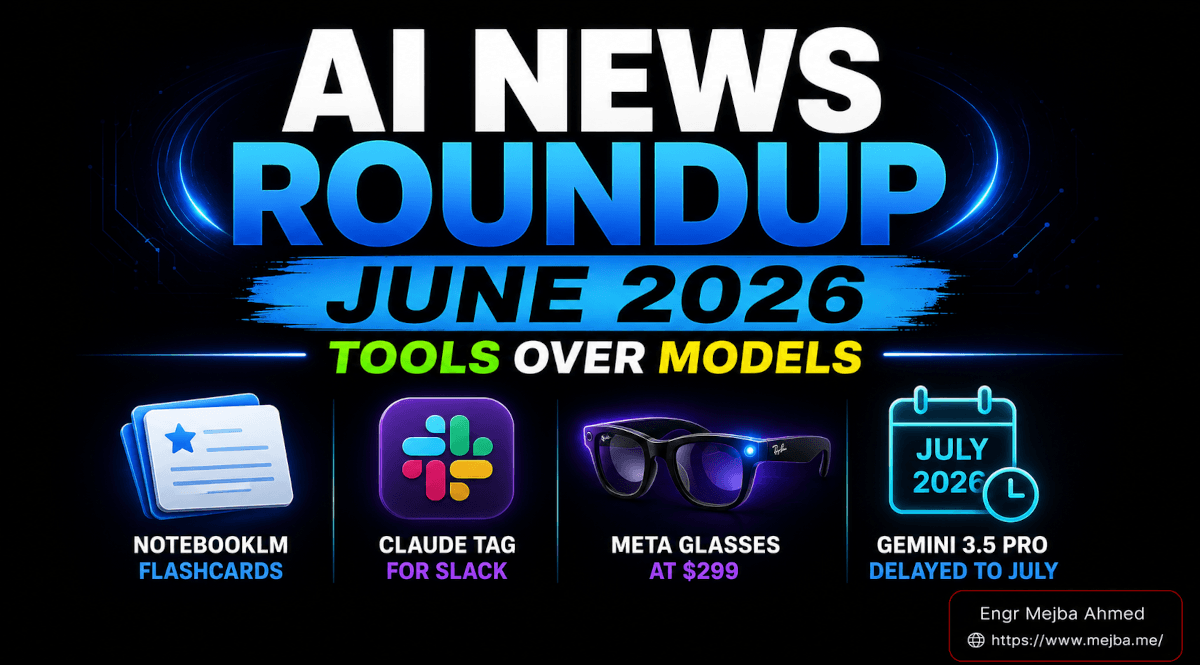
Die gemeldete Schlagzeile: Gemini 3.5 Pro wurde auf Juli verschoben. Google hatte einen breiten Release rund um die I/O im Mai angedeutet, mit dem Ziel allgemeine Verfügbarkeit im Juni, und verschob ihn — offiziell unter Berufung auf Qualitätsverbesserungen nach frühen Unternehmenstests. Zwischen den Zeilen dessen, was berichtet wurde, landeten die Checkpoints nicht da, wo sie sein mussten; einige Berichte beschreiben Builds, die schlechter als das bestehende Gemini 3.1 Pro bei der Arbeit abschneiden, die zählt, zusammen mit Knowledge-Cutoff-Lücken. Ich würde die spezifische „es ist schlechter als 3.1"-Behauptung als berichtet-nicht-bestätigt behandeln — interne Checkpoint-Qualität ist genau die Art von Sache, die halbwahr durchsickert — aber eine Verzögerung plus eine Qualitätsbegründung ist selten ein Zeichen dafür, dass ein Modell glatt durchsegelt.
Der schwerer zu drehende Teil ist das Talent. In einem einzigen Zeitraum diesen Monat verlor Google Berichten zufolge ein Cluster Senior-Forscher, und die Ziele erzählen die Geschichte:
- Noam Shazeer — Co-Autor des „Attention Is All You Need"-Papers von 2017, dem Dokument, das wohl diese ganze Ära begann — geht Berichten zufolge zu OpenAI.
- John Jumper — der DeepMind-Wissenschaftler, dessen AlphaFold-Arbeit 2024 den Nobelpreis für Chemie teilte — verlässt Berichten zufolge zu Anthropic.
- Jonas Adler und Alexander Pritzel, beide Gemini-Forscher, gehen Berichten zufolge ebenfalls zu Anthropic.
Märkte bemerkten es. Alphabet-Aktien fielen am 22. Juni um etwa 5% und löschten rund 225 Milliarden Dollar Marktwert aus, als Investoren die Abgänge verarbeiteten. Das ist kein Rundungsfehler. Das ist der Markt, der die Möglichkeit einpreist, dass das Lab, das uns den Transformer gab, die Leute verliert, die den nächsten bauen können.
Deshalb ist das relevant, selbst wenn du Gemini nie berührst: Talentstrom ist der ehrlichste Frühindikator in dieser Industrie. Benchmarks werden manipuliert, Demos werden inszeniert und Pressemitteilungen werden mit denselben drei Adjektiven geschrieben. Aber Forscher, die sich jedes Lab der Welt aussuchen können und wählen, wo sie die nächsten drei Jahre verbringen? Das ist eine ungesicherte Wette darauf, wer ihrer Meinung nach gewinnen wird. Momentan landet ein ungewöhnlicher Anteil dieser Wette bei Anthropic. Ich habe zuvor über den Coding-Krieg zwischen Anthropic und OpenAI geschrieben, und dies ist derselbe Wettbewerb vom Arbeitsmarkt statt vom Leaderboard aus betrachtet — und der Arbeitsmarkt ist derzeit einseitiger, als die Benchmarks vermuten lassen.
OpenAIs Zwei-Fronten-Woche: ein schnellerer Chatbot und sein erstes Silizium
OpenAI verbrachte die Woche mit zwei sehr unterschiedlichen Dingen, und das leisere davon ist dasjenige, das in fünf Jahren noch relevant sein wird.
An der sichtbaren Front: GPT-5.5 Instant wurde als aktualisierter Standard von ChatGPT ausgerollt. Es ist das Konversationsarbeitstier, kein Frontier-Reasoning-Sprung — bessere Intent-Erkennung, sauberere Constraint-Befolgung, knappere Antworten. In der Praxis bedeutet das, dass es öfter tut, was du tatsächlich gefragt hast, und weniger aufbläht. Nützlich, unspektakulär, genau die Art von Verfeinerung, die die tägliche Qualität verbessert, ohne eine Schlagzeile.
GPT-5.6 wurde derweil auf Juli verschoben. Und der Grund ist der interessante Teil. Laut Berichten ist die Verzögerung kein Trainingsproblem — es ist ein Regierungsproblem. Die Trump-Administration, über das Office of the National Cyber Director und das Office of Science and Technology Policy, hat OpenAI Berichten zufolge gebeten, das Modell in Phasen auszurollen und zusätzliche Sicherheitsüberprüfungen vor einem öffentlichen Release durchzuführen, wobei der Enterprise Early Access zuerst kommt. Kommt bekannt vor? Es ist dasselbe Muster wie die Fable 5-Richtlinie: Die Frontier-Labs releasen jetzt genauso sehr auf Washingtons Zeitplan wie auf ihrem eigenen. Zwei von drei führenden US-Labs hatten ein Flaggschiff, das im selben Monat von der Regierung eingeschränkt wurde. Das ist kein Zufall; das ist die neue Betriebsumgebung.
Nun die stille Bombe. OpenAI und Broadcom enthüllten Jalapeño, OpenAIs ersten Custom-Inferenz-Chip — einen retikelgroßen ASIC, der speziell für LLM-Inferenz gebaut wurde, vom Design bis zum Tape-out in rund neun Monaten. Der Einsatz ist für Ende 2026 geplant. Das Versprechen ist Leistung-pro-Watt: ein Chip, der auf die exakte Form von OpenAIs eigenen Workloads abgestimmt ist, statt der Allzweck-GPUs, um die alle kämpfen.
Ich möchte präzise sein, warum dies eine größere Sache ist als die Modellnachrichten drumherum. Jedes seriöse KI-Unternehmen wird derzeit von demselben Engpass gewürgt — Nvidia-Zuteilung. Compute ist die echte Währung, und derzeit bestimmt ein Anbieter den Preis. Ein Custom-Inferenz-Chip ist OpenAIs Schritt, das zu tun, was Google vor Jahren mit TPUs und Amazon mit Trainium getan hat: vertikal integrieren, um Marge und Kontrolle zurückzugewinnen. Wenn Jalapeño tatsächlich seine Leistung-pro-Watt-Ziele in der Produktion erreicht, hört OpenAI auf, sein gesamtes Schicksal von Nvidia zu mieten. Das verändert die Kostenstruktur jedes Produkts, das sie liefern — und der neunmonatige Designzyklus, angeblich beschleunigt durch den Einsatz von OpenAIs eigenen Modellen für Chip-Design-Arbeit, ist seine eigene kleine Geschichte darüber, wohin das alles führt. Modelle, die das Silizium entwerfen, das die Modelle antreibt. Wir sind diesem Kreislauf näher, als die meisten Menschen es realisieren.
Die Woche in Tooling: Claude in Slack, ein selbstverbessernder Coder und eine Namenskorrektur
Unter dem Frontier-Drama fand das Shipping, das deine Woche berühren wird, auf der Produktschicht statt. Drei Launches stachen heraus — und einer davon braucht eine Korrektur, bevor sich der falsche Name weiter verbreitet.
Claude Tag landete in Slack. Anthropic brachte Claude als immer verfügbaren Teamkollegen in Slack, den man mit einem Tag aufruft, laufend auf Claude Opus 4.8. Der Unterschied zu einem normalen Bot ist, dass es persistent und proaktiv ist — es folgt Threads über Kanäle hinweg, baut Kontext über Stunden oder Tage auf und handelt Aufgaben asynchron ab, anstatt eine Nachricht zu beantworten und deine Existenz zu vergessen. Anthropic behauptet, 65% des Codes ihres eigenen Produktteams werde jetzt von der internen Version generiert. Ich bin tief in das eingetaucht, was dies tatsächlich für Teams verändert, in meiner Analyse von Claude Tag als Slack-Teamkollege, also wiederhole ich hier nicht alles — aber die Kurzversion ist, dass „KI in deinem Slack" von Gimmick zu aufrichtig nützlich wurde, sobald es persistenten Speicher deines Arbeitsbereichs bekam.
Ornith-1.0 wurde veröffentlicht, und es ist das Open-Source-Release, das mich am meisten begeistert. DeepReinforce hat eine MIT-lizenzierte Coding-Familie von 9B bis 397B Parametern open-sourced (mit 9B dense, 31B, einem 35B MoE und einem 397B MoE, aufgebaut auf Gemma 4 und Qwen 3.5 Basen). Das wirklich Neue: Das Modell lernt sein eigenes RL-Scaffold während des Trainings, anstatt ein festes, von Menschen entworfenes Gerüst zu verwenden — es optimiert gleichzeitig das Trainingsscaffold und die Lösung. Die Schlagzeilenzahlen, die die Tom's-Hardware-nahe Berichterstattung zitiert: Die 397B erreicht 77,5 auf Terminal-Bench 2.1 und 82,4 auf SWE-Bench Verified, während das kleine 9B Dense-Modell angeblich Gemma 4-31B auf beiden Benchmarks schlägt, obwohl es nur ein Drittel der Größe hat. MIT-Lizenz, auf Hugging Face, heute downloadbar. Wenn diese Zahlen im echten Einsatz Bestand haben — und ich berichte zurück, sobald ich es gegen meine eigenen Aufgaben laufen ließ — ist ein 9B, das auf 31B-Klasse-Coding-Niveau spielt, eine große Sache für jeden, der Modelle lokal betreibt.
Und die OCR-Korrektur. Die Quellenübersicht, an der ich arbeitete, schrieb einem „neuen Claude OCR-Modell" strukturierte Extraktion, Begrenzungsrahmen, 170+ Sprachen und Handschrift-Mathematik-zu-LaTeX zu. Das ist eine Fehlzuschreibung, die es wert ist, korrigiert zu werden: Das Modell mit 170-Sprachen-Abdeckung, das dieses Quartal die OCR-Leaderboards anführt, ist Mistrals OCR 4, kein Anthropic-Release. Es führt angeblich OlmOCRBench mit 85,20 an und gewann Human-Preference-Vergleiche mit einer durchschnittlichen Gewinnrate von 72%. Ehre, wem Ehre gebührt — und eine Erinnerung, dass diese Video-Zusammenfassungen ständig Namen verfälschen. (Aus demselben Grund halte ich mich zurück, eine spezifische Cursor „Team-Leaderboard für Plugins/Skills"-Funktion zu benennen, bis ich den genauen Produktnamen bestätigen kann; die Fähigkeit wird diskutiert, aber ich drucke keinen Namen, den ich nicht verifizieren kann.)
Wenn du den roten Faden durch alle drei willst: Die Action diese Woche war nicht nur an der Frontier. Sie war in der langweiligen, tragenden Schicht — Agents, die sich an deinen Arbeitsbereich erinnern, offene Modelle, die sich selbst trainieren, und Dokumentenextraktion, die endlich deine Handschrift verarbeitet. Das ist die Schicht, auf der die meisten von uns tatsächlich arbeiten.
Demis Hassabis über AGI: das Ziel ist Flexibilität, nicht Benchmarks
Noch ein Faden, den es sich zu ziehen lohnt, weil er alles oben Genannte neu einrahmt. Demis Hassabis — CEO von Google DeepMind, und ja, das Quellvideo verstümmelte seinen Namen bis zur Unkenntlichkeit — verbrachte die Woche (erneut) damit zu beschreiben, was er für das eigentliche Ziel hält.
Seine Messlatte für AGI ist bewusst hoch und, wichtig, formatagnostisch: ein System, das konsistente, domänenübergreifende Brillanz zeigt — Schlussfolgern, Kreativität, Planung, Problemlösung — so wie ein fähiger Mensch flexibel funktioniert, anstatt ein Modell, das bei einem Benchmark glänzt und auf die Nase fällt, sobald die Aufgabe die Form wechselt. Er setzt die Zeitlinie bei etwa 2030 an, mit 2029 jetzt im Bereich des Möglichen, und beschrieb uns kürzlich als stehend in „den Ausläufern der Singularität."
Ich finde seine Rahmung nützlicher als die Zeitliniendebatte. Streiche das Datum und sein Punkt ist dieser: Ein Modell, das SWE-Bench mit Bravour besteht, aber ein Ziel nicht über eine chaotische, mehrtägige, reale Aufgabe halten kann, ist keine allgemeine Intelligenz — es ist ein sehr guter Prüfungsschreiber. Und das deckt sich genau mit dem, was ich sehe, wenn ich baue. Die Modelle, die meine Woche verändern, sind nicht die mit dem höchsten Benchmark; es sind die, die Kontext halten, sich anpassen, wenn die Aufgabe mutiert, und über die gesamte Breite eines echten Projekts nützlich bleiben. Hassabis beschreibt in Forschungssprache dasselbe, was jeder Entwickler fühlt: Flexibilität schlägt Spitzenleistung. Das Leaderboard misst den Ausschlag. Die Arbeit misst die Flexibilität.
Was ich von hier aus tatsächlich beobachte
Streiche das Rauschen und vier Dinge aus dieser Woche sind es wert, einen Tab dafür offen zu halten. Hier ist meine Watchlist, geordnet danach, wie sehr es Menschen betrifft, die bauen:
- Landet die Claude Fable 5 Rückkehr tatsächlich vor August, und an welcher Leine? Achte auf die Infrastruktur, nicht auf die Erklärungen. Wenn Bedrock-Einträge sich stabilisieren und der Abonnement-Bundle-Code ausgeliefert wird, ist die Rückkehr real — und die wöchentliche-Limit, USA-exklusive Form verrät dir, wie sehr die Regierungsüberprüfung sie eingeschränkt hat.
- Wie verstärkt Washington seinen Griff? Zwei von drei führenden US-Labs hatten diesen Monat ein Flaggschiff, das von der Regierung eingeschränkt wurde. Wenn das zur Norm wird, hat deine Modell-Roadmap jetzt eine regulatorische Variable, die letztes Jahr nicht existierte. Plane für Releases auf Washingtons Uhr.
- Ob der Destillationskampf den API-Zugang verändert. Wenn Anthropics Senatsroute Fahrt aufnimmt, erwarte strengeres Onboarding, strengere Rate-Limits und aggressivere Missbrauchserkennung über jede große API — was leise auch die Reibung für legitime Entwickler erhöht.
- Ob sich der DeepMind-Exodus in den Modellen zeigt. Talent bewegt sich zuerst, Produkt folgt Monate später. Wenn Anthropics nächstes Frontier-Release ungewöhnlich stark ist, weißt du, woher es kam. Beobachte die zweite Hälfte von 2026.
Die ehrliche Meta-Lektion, die ich immer wieder lerne: In einer Woche, die so laut war, waren die verifizierbaren Fakten leiser als die Gerüchte, und die leisen Fakten — ein Custom-Chip, eine Talent-Migration, eine Regierungsrichtlinie — werden jeden atemlosen „Fable 5 ist ZURÜCK"-Thread um Jahre überdauern. Das Gerede ist darauf ausgelegt, laut zu sein. Das Signal ist das fast nie.
Also hier ist die eine Sache, die ich in den nächsten 24 Stunden tun würde, wenn du auf diesen Modellen baust: Öffne deine Architektur und finde den einen Punkt, an dem das Frontier-Modell eines Anbieters tragend ist, ohne Fallback. Das ist dein Fable-5-Risiko. Diese Woche hat dir genau gezeigt, wie schnell es verschwinden kann. Baue die Naht jetzt.
Häufig Gestellte Fragen
Kommt Claude Fable 5 zurück?
Es gibt starke Signale, aber keine offizielle Bestätigung. Stand 25. Juni 2026 erklärt Anthropic, dass es null Fable 5-Traffic bedient, während geleakter Abonnement-Code, wieder auftauchende Amazon Bedrock-Einträge und Prediction-Market-Quoten auf eine Vorbereitung für eine mögliche USA-exklusive Wiederherstellung hindeuten. Behandle eine Claude Fable 5 Rückkehr als wahrscheinlich-aber-nicht-angekündigt, nicht bestätigt. Siehe den Eröffnungsabschnitt für die vollständige Signalanalyse.
Warum wurde Claude Fable 5 abgeschaltet?
Anthropic und AWS schrieben die Sperrung vom 12. Juni 2026 der Einhaltung einer Richtlinie der US-Regierung zu, konsistent mit einer kontrollierten Sicherheits- oder Red-Team-Bewertung. Das Modell war erst seit dem 9. Juni live, was es zu einem öffentlichen Fenster von rund 72 Stunden machte, bevor der Zugang widerrufen wurde.
Was ist KI-Destillation, und warum beschuldigt Anthropic Alibaba?
Destillation ist das Training eines schwächeren Modells, ein stärkeres zu imitieren, indem Millionen seiner Outputs geerntet werden. Anthropic behauptet in einem Brief vom 10. Juni an US-Senatoren, dass Betreiber, die mit Alibabas Qwen-Lab verbunden sind, etwa 25.000 betrügerische Accounts und 28,8 Millionen Austausche nutzten, um Claudes Coding- und agentische Fähigkeiten zu destillieren. Dies sind Anthropics Vorwürfe, keine bewiesene Feststellung.
Was ist OpenAIs Jalapeño-Chip?
Jalapeño ist OpenAIs erster Custom-Inferenz-Chip, gebaut mit Broadcom — ein retikelgroßer ASIC, der speziell für LLM-Inferenz entworfen wurde, vom Design bis zum Tape-out in rund neun Monaten, mit geplantem Einsatz Ende 2026. Es ist ein Schritt zur vertikalen Integration, um die Abhängigkeit von Nvidia-GPUs zu reduzieren und die Leistung-pro-Watt zu verbessern.
Warum steckt Google DeepMind im Juni 2026 in Schwierigkeiten?
Google hat Berichten zufolge Gemini 3.5 Pro auf Juli verschoben und mehrere Senior-Forscher in einem einzigen Monat verloren — darunter Noam Shazeer (zu OpenAI) und John Jumper (zu Anthropic) — was zu einem Rückgang der Alphabet-Aktien um etwa 5% am 22. Juni beitrug, der rund 225 Milliarden Dollar an Marktwert vernichtete. Der Talentstrom ist hier das meistbeobachtete Signal.
Lass Uns Zusammenarbeiten
Du möchtest KI-Systeme bauen, Workflows automatisieren oder deine technische Infrastruktur skalieren? Ich helfe gerne.
- Fiverr (Custom Builds & Integrationen): fiverr.com/s/EgxYmWD
- Portfolio: mejba.me
- Ramlit Limited (Enterprise-Lösungen): ramlit.com
- ColorPark (Design & Branding): colorpark.io
- xCyberSecurity (Sicherheitsdienste): xcybersecurity.io